
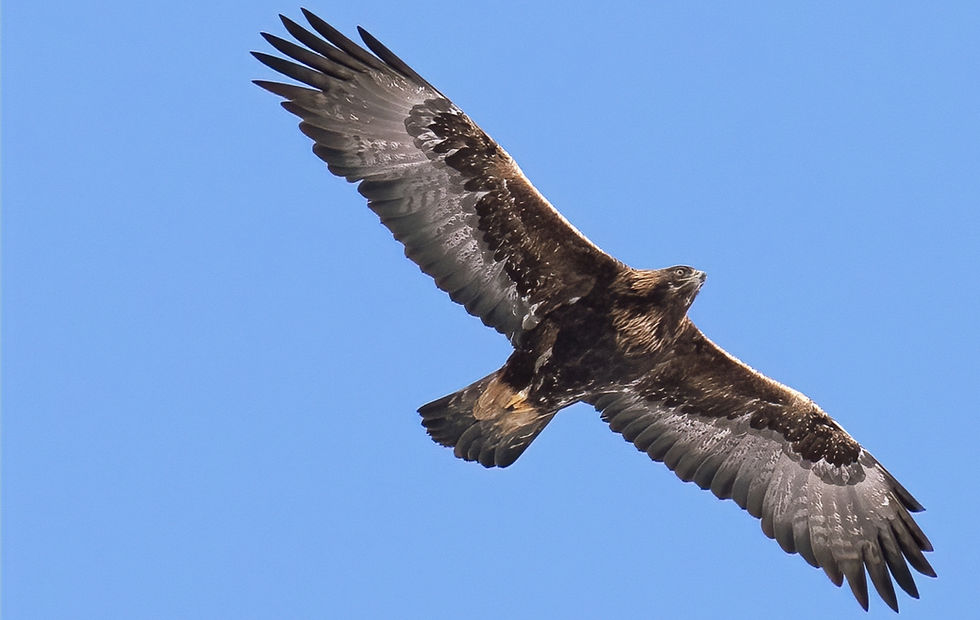
Our work with Golden Eagles
Conservation and Restoration
We are pioneering the conservation and reinforcement of the Golden Eagle population in southern Scotland, and embarking on exciting work to restore the population in northern England.
Partnership working, adopting best practice and evidence, and sharing our findings are all essential parts of our endeavours.
An Iconic Species
Golden Eagles have always been admired and celebrated as an essential element of native Scottish wildlife. A glimpse of a wild Eagle soaring high over mountain and loch is a memory to be treasured for a lifetime. Despite the overall increase in Eagle numbers throughout much of Scotland, this growth has not been seen in the areas south of the Central Belt. With birds from the flourishing populations in the North reluctant to move South, the small population of isolated and vulnerable Eagles in the Scottish Borders and Dumfries & Galloway were at risk of disappearing from their native homeland in much the same way as they have from England and Wales.

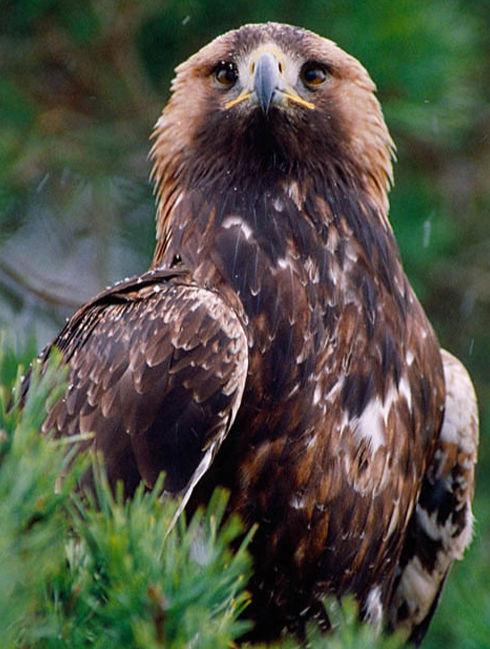
South of Scotland Golden Eagle Project
Golden Eagles have a long history in southern Scotland. From east to west, populations were once healthy with the birds playing an important role as an apex predator. Historically, changes in land use and persecution caused the population to fall to just a handful of pairs.
However, through a series of translocations of young birds since 2018 and fantastic cooperation between stakeholders throughout Scotland, the Project has increased numbers to the highest in 300 years with around 50 Golden Eagles now calling south Scotland their home.
Preparing for take off
Guided by the Scottish Code for Conservation Translocations, the team undertook a formal and rigorous assessment of habitat and other management measures before reinforcing the population. The preparatory scientific work indicated south Scotland could potentially support up to 16 breeding pairs. In fact, 18 territories are currently occupied – though this can change by the month!
NatureScot has issued the necessary licences, including for the translocation of sub-adult birds (aged between six months and three years as part of a scientific trial). Before release, all birds are satellite tagged to ensure we can follow their movements.


Aviaries
Custom-built aviaries were constructed and sited at confidential locations in the Southern Uplands with the first eaglets arriving in early summer 2018 for a short two month stay before being released into the Moffat Hills. Subsequent translocations between 2019 and 2023 further secured a healthy population.
We work closely with vets and experts monitoring birds of prey to collect young eagles from the Highlands and Islands with the utmost care and meeting important and stringent licence conditions. Birds are health-checked carefully before release.
The partnership of landowners and conservation community was critical for the successful delivery of this project. It builds on long-term, ongoing work by all concerned to improve the status of raptor species across Scotland. Our partners were:
-
The Southern Upland Partnership (host partner)
-
Scottish Land and Estates
-
RSPB Scotland
-
NatureScot
-
Scottish Forestry
This unique partnership paved the way to major benefits for a range of other projects between landowners and conservationists, highlighting best practice in terms of partnership working and 'learning by doing together'. Links to all our partners and funders websites can be found on the scrolling bar at the bottom of this page.
Inspiring local communities
Most people living in and visiting the South of Scotland were unaware that Golden Eagles still nested in the area. In fact, until our work began the population was tiny and fragmented – in some years, no more than a handful of birds. Following many discussions and consultations we realized there was an exciting opportunity to revitalize the eagle population. Local people told us they were inspired by the prospect of recovery, and of course felt the region would benefit from tourism and added interest in its special wildlife. Our project team worked tirelessly to ensure coverage with communities across south Scotland - from Stranraer to St Abbs, engaging with thousands of people. Our Community Outreach Officers were out and about giving talks, and leading walks and activities. Eagle Schools - a curriculum-linked programme for primary schools to discover the life-cycle of a Golden Eagle was a great hit. A key step to success was our collaboration with landowners, managers and conservationists to help improve communication and ensure all everyone had a stake in the work and ensuing success. Support from the Scottish Government, NatureScot and key conservation and land management bodies has been crucial for success.


Looking ahead
As we look to consolidate and sustain the work in the South of Scotland, a new chapter opens in north England as we work with Forestry England, the UK Government and a range of community, land management and wildlife organisations.
Restoring the Golden Eagle population ‘south of the border’ offers exciting opportunities. Already some birds wander across from, and we wish to see what sort of helping hand we can provide. In 2016 the last resident bird in England, in the Lake District, perished – its mate having died twelve years previously.
Conversations are the first vital step in seeing what is possible ahead, and we are grateful to Forestry England for supporting our work in a new partnership.
Valuable support
Funded by Heritage Lottery and LEADER Scottish Borders and Dumfries and Galloway, the project has brought together a diverse range of countryside users to ensure the wellbeing and successful future of the Golden Eagle in south Scotland. Working with schools, local communities, raptor specialists, land managers, agencies and NGOs has been immensely rewarding. This has ensured we secure a special place for this icon of wildness and freedom for generations today and ahead. Thank you to all our supporters.
